How to Distinguish Brutalist Structures from Related Concrete Styles
How can misidentifying a concrete building as Brutalist affect renovation plans or listing decisions?
How to identify Brutalist architecture through material traits?
True Brutalist structures display raw, board-marked in-situ concrete with visible formwork texture, aggregate exposure from bush-hammering or pick-axing, and no applied coatings; these traits must be present on load-bearing elements cast on site between the mid-1950s and mid-1970s.
In-situ casting produces continuous monolithic pours without joints or seams that appear in precast panels. The concrete mix typically contains coarse aggregate left exposed after surface treatment, and the formwork boards leave linear impressions that remain visible rather than smoothed away.
These surface conditions confirm original intent only when the concrete carries structural loads and shows no later paint, render, or cladding layers. Later revival work often uses thinner precast elements or board-marked finishes applied over steel frames, which lack the mass and continuity of true in-situ construction.
Examine the building edges and corners for evidence of continuous pours that wrap around structural members without added trim.
What compositional rules separate Brutalist buildings from later concrete work?
What compositional rules separate Brutalist buildings from later concrete work?
Brutalist composition requires expressed structural grids, recessed or projecting service zones, and repetitive modular bays without decorative cornices or symmetrical classical proportions; revival work typically adds surface relief or colour that obscures these structural expressions.
Structural grids in true Brutalist buildings remain visible on both exterior and interior faces, with columns and beams aligned to the same modular spacing used in the floor plates. Service zones sit in recessed slots or expressed towers so that mechanical runs do not interrupt the primary structural rhythm. Later concrete work often conceals these zones behind applied panels or changes the bay rhythm to accommodate new programmatic needs.
Repetitive modular bays follow a strict horizontal and vertical datum line that continues across the entire elevation. Revival examples frequently break this datum with added cornices, colour banding, or asymmetrical massing that echoes postmodern or neo-modern preferences. The absence of classical symmetry further distinguishes original Brutalist composition from later interpretations that reintroduce balanced proportions for visual comfort.
The U.S. Environmental Protection Agency identifies paints, varnishes, waxes, cleaning products, building materials, and furnishings as common indoor sources of volatile organic compounds when indoor air quality planning addresses residential materials and finishes. The National Park Service Museum Handbook provides guidance for museum collections preservation, documentation, access, and use when private gallery or collection planning requires a conservative preservation reference rather than a residential decoration claim.
These compositional markers remain legible only when the original concrete surfaces stay exposed and unaltered. Surface treatments that add relief or colour immediately shift the building toward later revival categories.
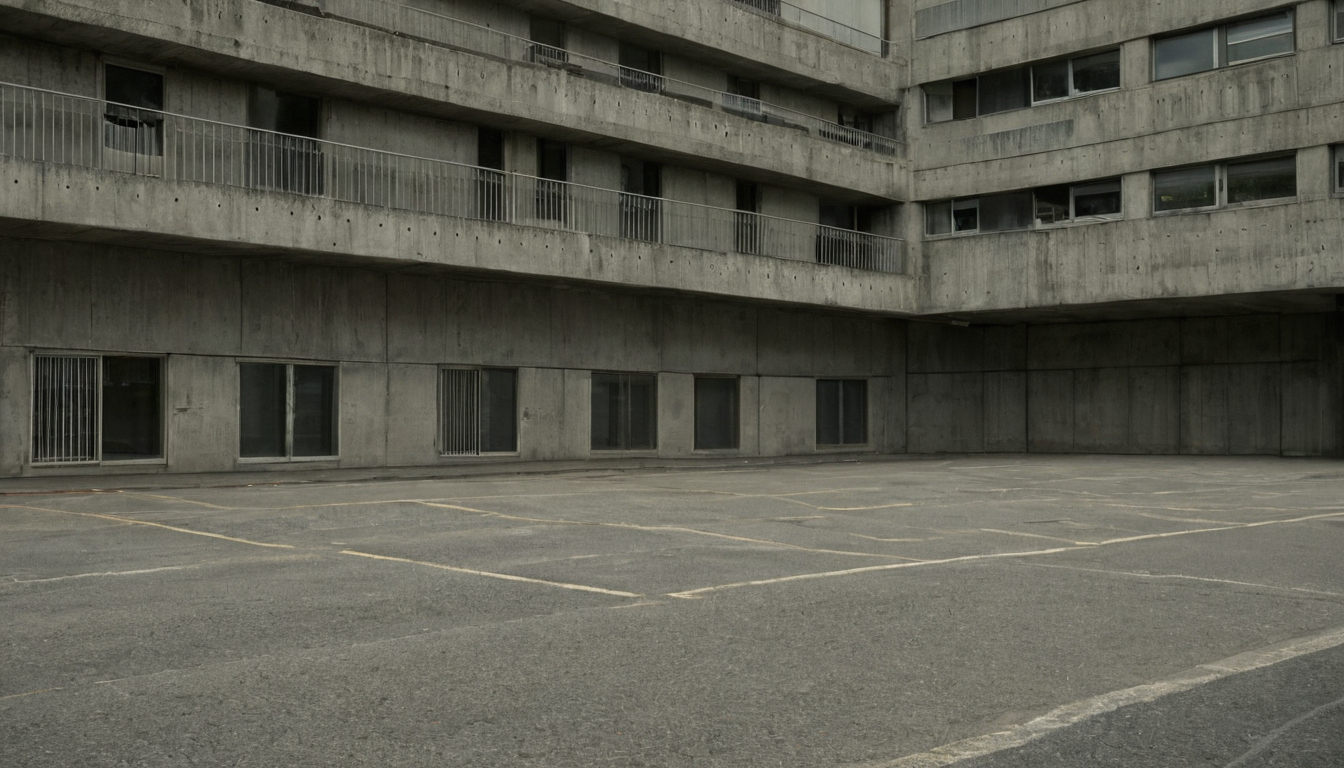
What compositional rules separate Brutalist buildings from later concrete work shown with practical context cues.
When does board-marked concrete indicate original Brutalist construction?
When does board-marked concrete indicate original Brutalist construction?
Board-marked finishes indicate Brutalist origin only when the timber grain is irregular, the pour lines align with visible structural joints, and the concrete shows no later hydrophobic sealers or paint layers applied after 1980.
Original 1960s and 1970s board marks display uneven timber grain patterns caused by rough-sawn formwork reused on site. Revival work from later decades often replicates these marks with machined or sandblasted boards that produce uniform, repetitive textures visible under raking light.
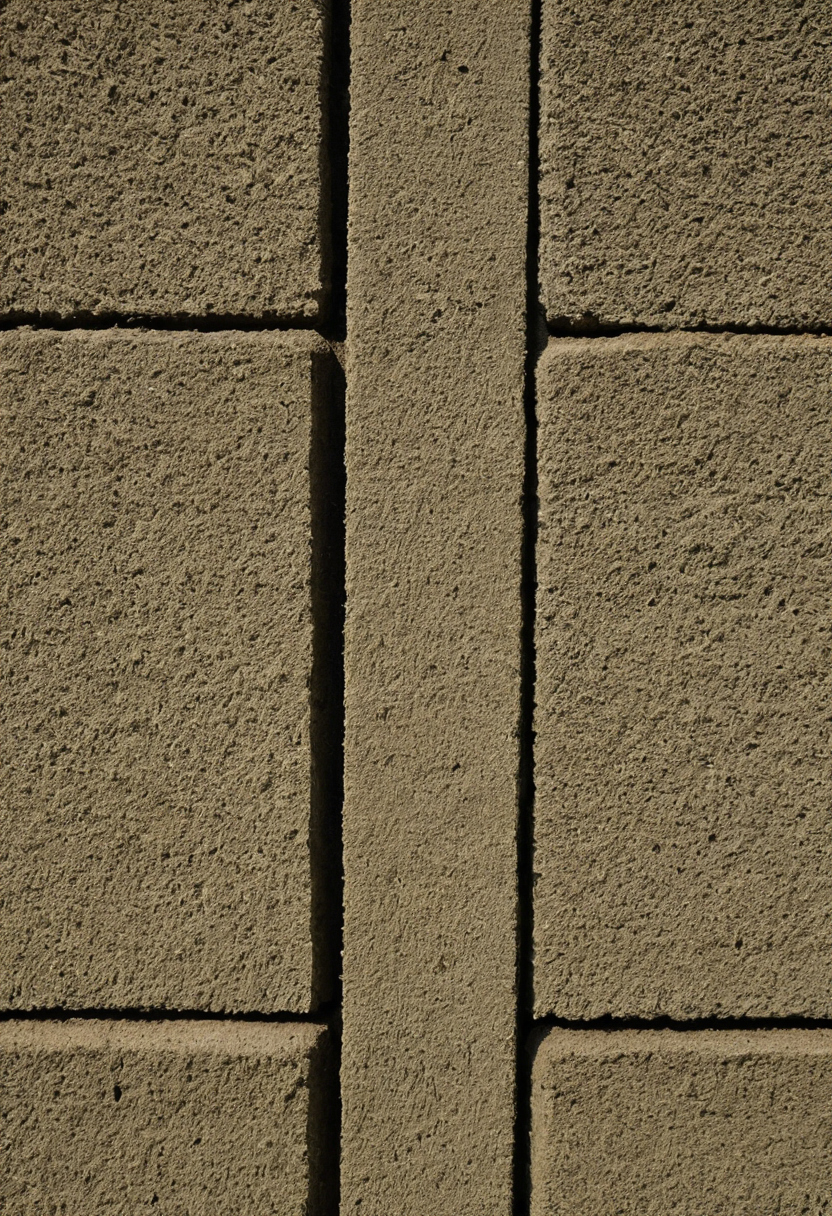
When does board-marked concrete indicate original Brutalist construction shown as an editorial planning reference.
Pour lines on authentic Brutalist concrete follow the exact locations of construction joints and lift heights recorded in original drawings. Later board-marked surfaces frequently place simulated lines at arbitrary intervals that ignore the building’s structural rhythm.
Absence of post-1980 surface treatments further confirms original construction. The U.S. Environmental Protection Agency recommends increasing ventilation when using products that emit volatile organic compounds indoors under conditions of indoor application of sealers or coatings.
Photographic comparison against period documentation from the same project reveals whether the board marks match the documented formwork sequence or represent later surface modification. Site inspection under natural side lighting exposes these differences before any conservation assessment begins.
Checklist for distinguishing Brutalist structures on site
Checklist for distinguishing Brutalist structures on site
Use a five-point on-site checklist covering surface texture, joint expression, colour uniformity, structural legibility, and absence of post-construction cladding to decide whether professional listing assessment is warranted.
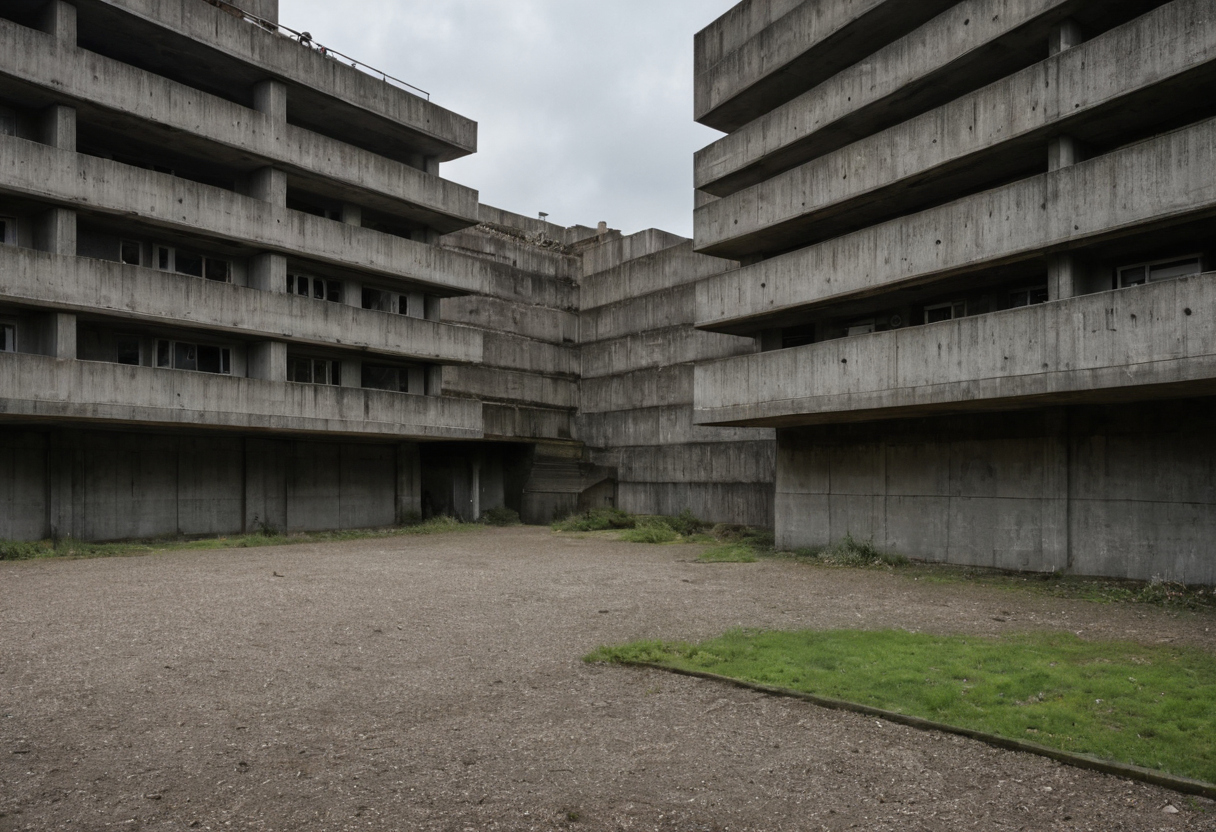
Checklist for distinguishing Brutalist structures on site shown as an editorial planning reference.
- Surface texture passes when the concrete shows raw in-situ casting marks such as board imprints or bush-hammering without later smoothing or coating; it fails if the finish appears trowelled or rendered.
- Joint expression passes when construction joints remain visible and aligned with the structural grid; it fails if joints are concealed by applied finishes or infill panels.
- Colour uniformity passes when the concrete displays a consistent natural grey tone with minor aggregate variations; it fails if the surface shows paint layers, stains, or mismatched repair patches.
- Structural legibility passes when beams, columns, and load paths read directly through the massing without decorative screening; it fails if later additions obscure the original frame.
- Absence of post-construction cladding passes when the building envelope retains exposed concrete on primary elevations; it fails if brick, metal, or insulation panels cover more than isolated service areas.
Any structure that meets four or more pass thresholds warrants further review by a conservation specialist before renovation proceeds.
How do conservation listing criteria affect Brutalist identification?
How do conservation listing criteria affect Brutalist identification?
English Heritage and 20th Century Society criteria require documented raw-concrete integrity and historic function; structures lacking these documented traits are normally excluded from Brutalist designation even if they use concrete.
Listing assessors examine whether the building retains visible board-marked or bush-hammered in-situ concrete surfaces cast on site between the mid-1950s and late 1970s. They also verify that the original design expressed structural forces without applied cladding or later coatings.
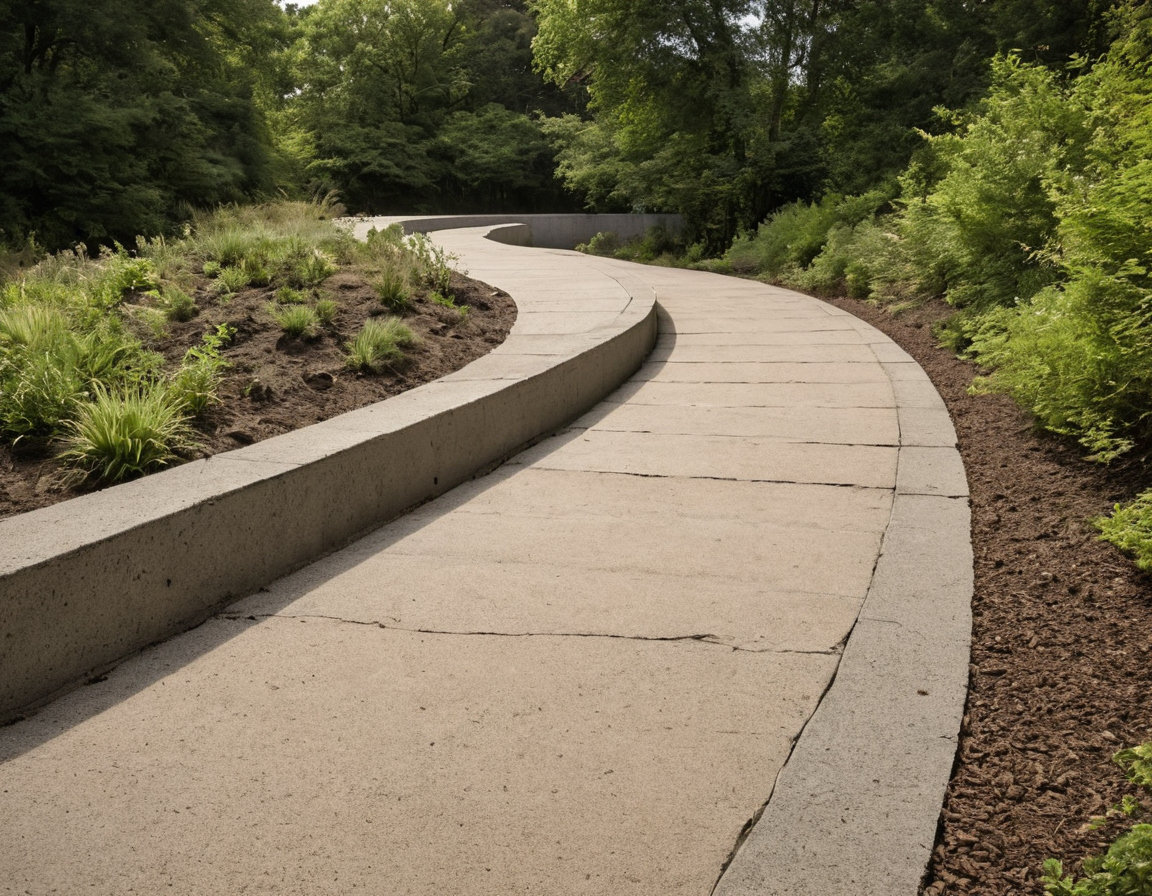
How do conservation listing criteria affect Brutalist identification shown with outdoor scale and terrain cues.
Post-1980 concrete buildings that mimic these surfaces fail the test because they lack the required historic context and construction records. Conservation officers therefore reject applications that rely solely on visual similarity.
Before any renovation or listing consultation, confirm the structure meets both material authenticity and period documentation thresholds to prevent misclassification that blocks or delays statutory approvals.
Frequently Asked Questions
- How to identify Brutalist architecture?
- What is the brutalist style of concrete?
- What are three key features of Brutalist architecture?
- How to distinguish architectural styles?