Pattern Libraries and the Long Memory of Silk Design: From the Leman Album to Custom Interiors
Sarelli Textiles make sense in custom interiors when the project is treated as part design, part memory system. The best fabric-led rooms are not built from isolated swatches. They come from pattern traditions that have been revised, redrawn, woven, and reused across centuries.
The V&A’s material on James Leman is one of the clearest windows into that continuity. The museum describes the Leman album as the earliest complete record of original designs for woven silks known to survive. That single fact should change how designers think about patterned luxury fabric. A pattern is not just a motif. It is an archived decision about repeat, scale, color, and weaving intent. Source: V&A, The Ingenious Mr Leman.
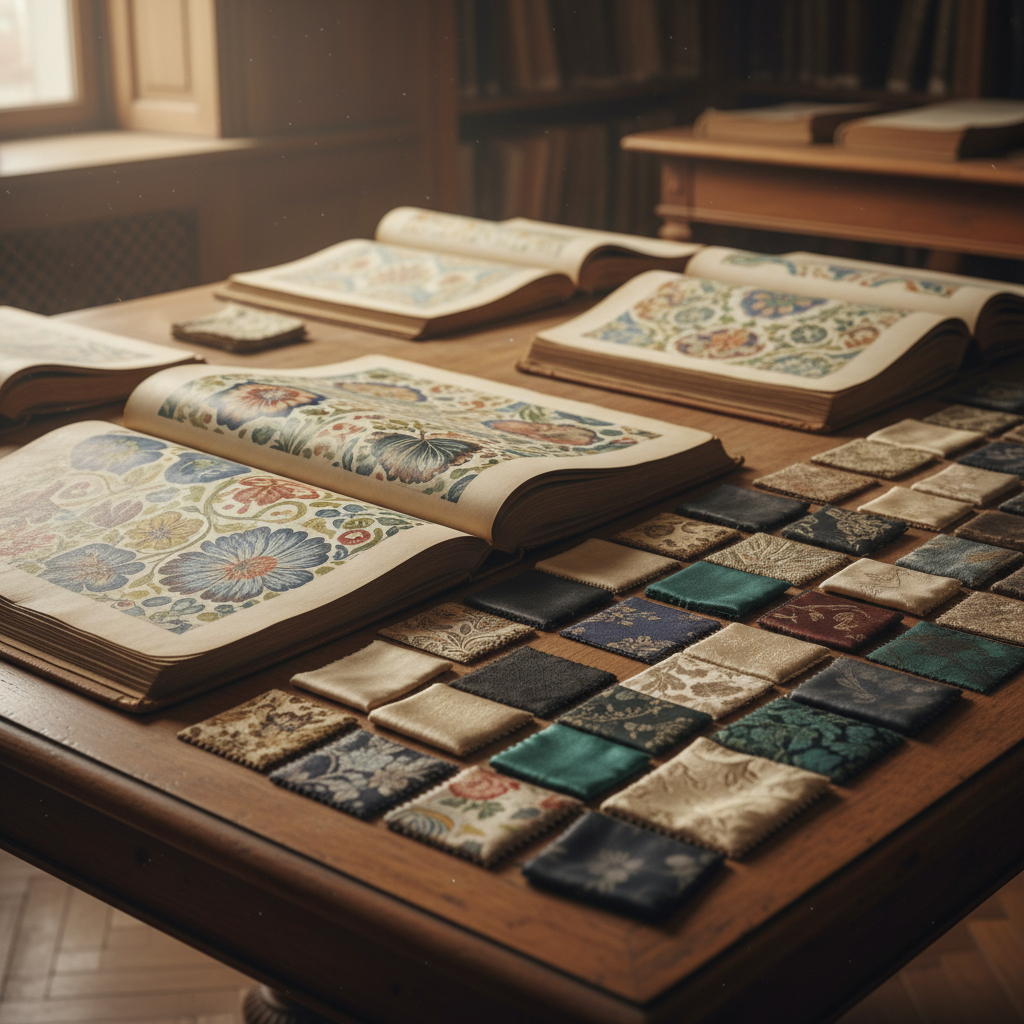
In contemporary custom interiors, that history matters because clients often ask for something that feels original but still authoritative. Pattern archives show how to solve that problem. They offer repeat logic, negative space, border handling, and motif hierarchy without forcing a literal historical copy.
Architectural Digest’s Jacquard explainer is useful at this point because it connects pattern ambition to the technology that made it more flexible. Once complex thread control became easier, figured textiles could carry more information without becoming structurally chaotic. Source: Architectural Digest, Jacquard Fabric.
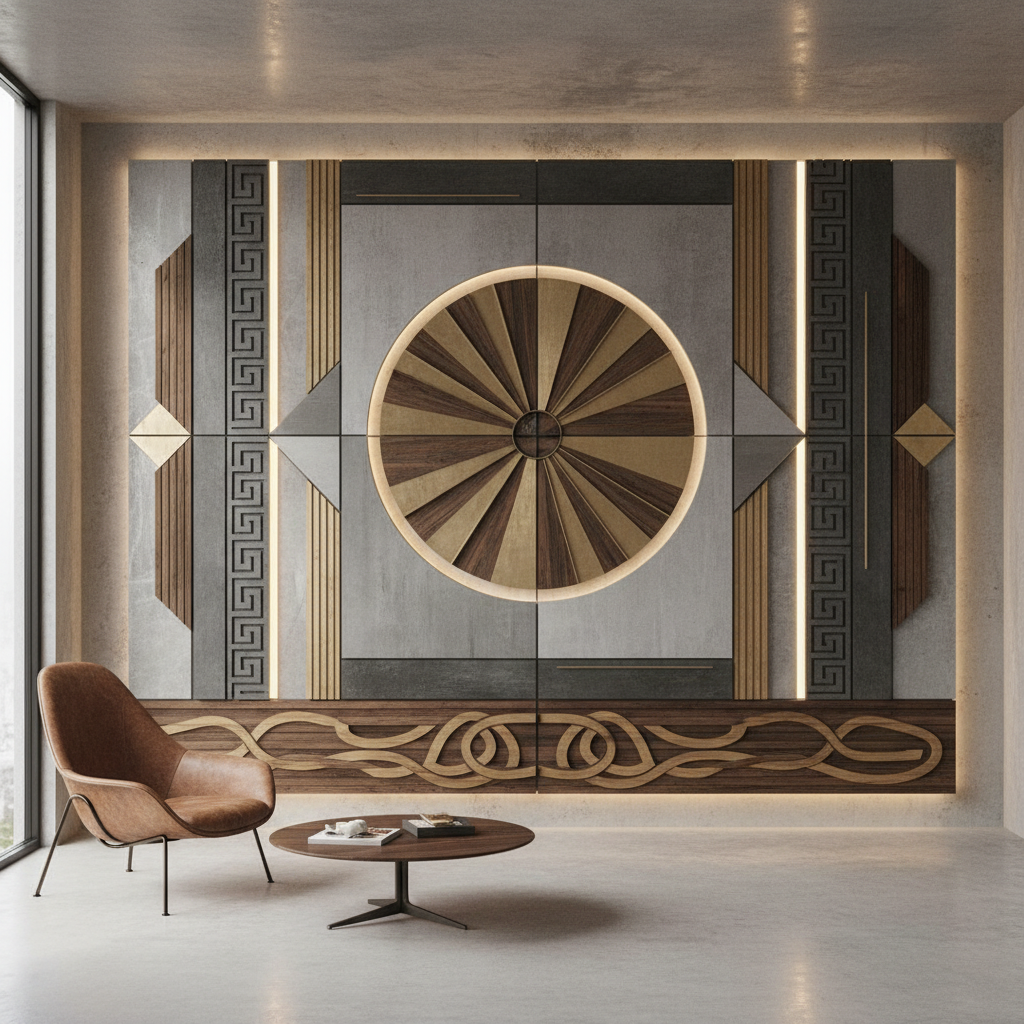
That is exactly what a custom interior needs today. A textile can reference archive intelligence while still being specified for present-day use, scale, and maintenance. A dressing room panel, a niche backing, or a private study screen does not need a borrowed antique look. It needs pattern discipline.
The value of a pattern library is therefore not nostalgia. It is decision quality. Archive material teaches proportion. It teaches when a repeat can hold a wide wall and when it needs interruption. It teaches what kind of motif can survive close viewing without collapsing into noise. Those are live design questions, not museum-only questions.
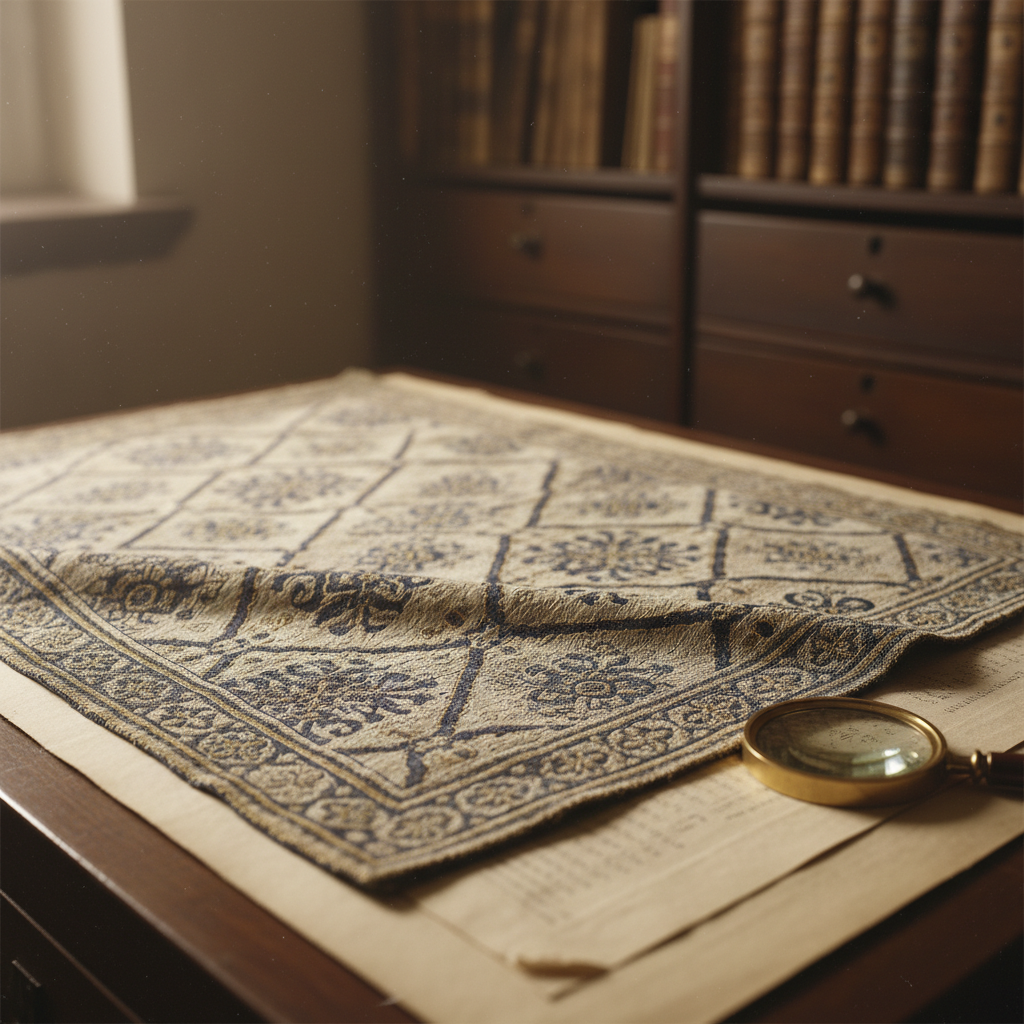
This is why some custom rooms feel timeless without feeling generic. Their textile language has memory built into it. The room is not pretending to be historical. It is using long-tested pattern intelligence to make present-day surfaces feel settled and exact.